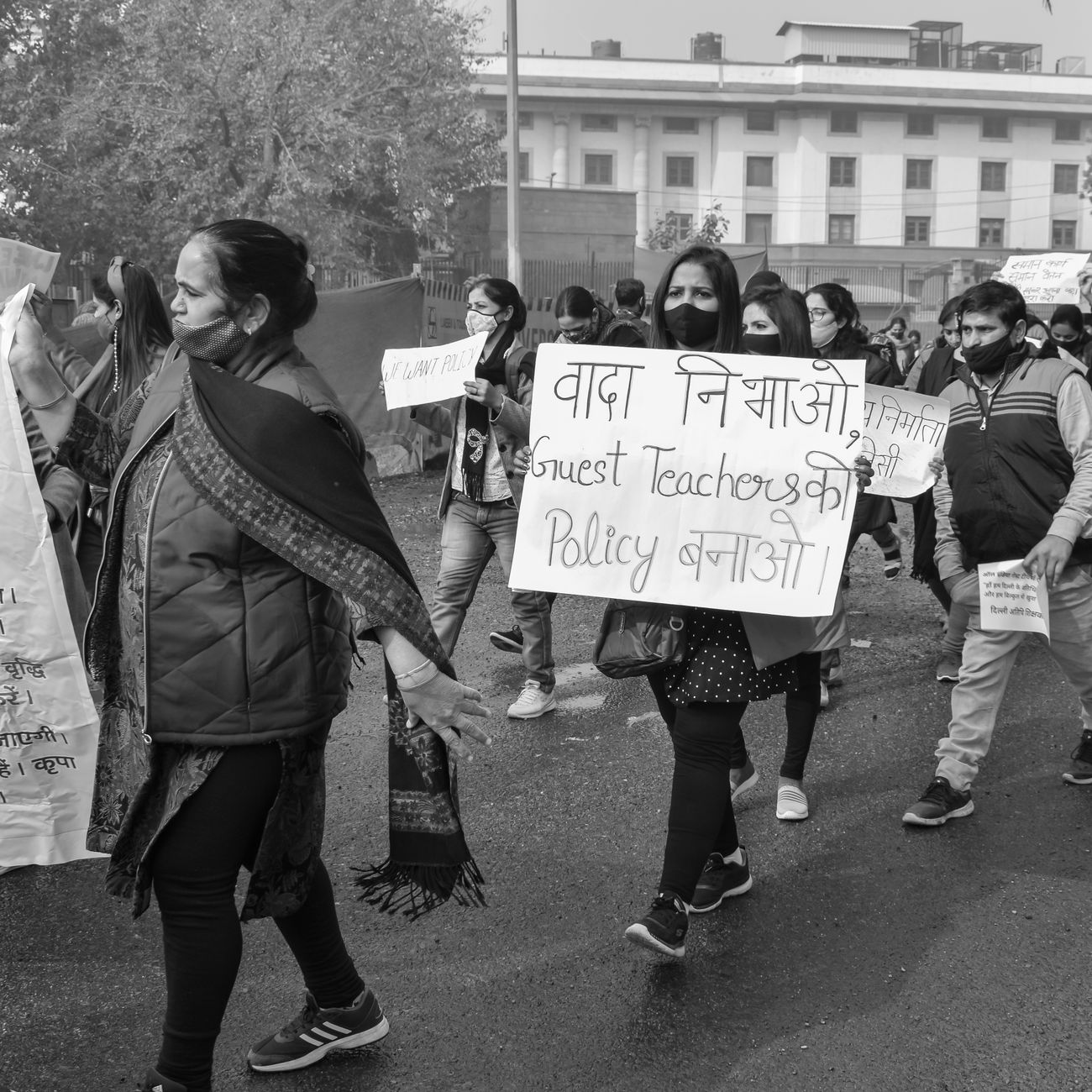
India's examination system has been thrust into the spotlight following widespread student protests over recurring paper leaks that have compromised the integrity of competitive exams. Prime Minister Narendra Modi's recent promise to address these systemic issues has sparked cautious optimism, but questions remain about what practical steps will follow and whether they can genuinely transform India's beleaguered examination infrastructure.
The Scale of the Problem
Examination leaks have become an unfortunate pattern in India's education landscape. From the National Eligibility cum Entrance Test (NEET) to various state-level exams, instances of paper leaks have disrupted the academic futures of millions of students. These leaks don't just compromise individual test cycles—they erode trust in the entire meritocratic system that India's competitive examinations are supposed to represent.
The protests that erupted across major Indian cities reflected deep frustration among students who invest years of preparation and significant family resources into exam preparation. For many students, particularly those from economically disadvantaged backgrounds, these competitive exams represent the singular pathway to upward mobility. When that pathway is undermined by systemic corruption and administrative failures, the social contract between students and institutions breaks down.
Understanding What Comes Next
Following high-level political acknowledgment of the problem, several potential reform pathways emerge. The government will likely need to address both immediate administrative gaps and longer-term structural issues.
Short-term measures might include enhanced security protocols during exam paper printing, distribution, and storage. This could involve biometric access controls, real-time monitoring systems, and stricter background checks for personnel involved in exam administration. Some experts suggest adopting sealed, tamper-proof packaging with unique identifiers for exam papers.
Technology integration represents another crucial frontier. Several examination bodies worldwide have successfully implemented computer-based testing with randomized question banks, making large-scale leaks virtually impossible. While India has experimented with online testing for certain exams, comprehensive digitalization across all major competitive examinations would require substantial infrastructure investment and careful planning to ensure accessibility in rural areas.
The Digital Divide Challenge
Any move toward fully digitalized examinations must grapple with India's persistent digital divide. While urban centers boast robust internet connectivity and computer facilities, many tier-2 and tier-3 cities, along with rural areas, lack the infrastructure to support mass computer-based testing. Creating equitable testing conditions across this diverse geography presents a formidable challenge.
The government might need to adopt a phased approach, initially digitizing exams in urban centers while simultaneously investing in digital infrastructure expansion. Alternatively, a hybrid model could maintain paper-based testing with enhanced security measures while gradually transitioning to digital formats.
Accountability and Legal Reforms
Beyond technical solutions, students and activists are demanding accountability for past leaks. This means not just identifying and punishing individuals involved in specific incidents, but also examining whether examination conducting bodies have adequate legal frameworks and institutional capacity to prevent future occurrences.
Legal reforms might include stricter penalties for those involved in exam malpractice, streamlined investigative procedures when leaks occur, and clearer institutional responsibilities across the various agencies involved in major examinations. Some experts advocate for an independent examination regulatory body with greater autonomy and resources.
The Timeline Question
Perhaps the most pressing concern for students is timing. Promises and policy announcements provide little comfort to those whose immediate academic futures hang in balance. Students want to know: Will canceled exams be rescheduled promptly? Will there be compensation for those affected by leaks? How quickly can new security measures be implemented?
The government faces pressure to demonstrate swift action while also ensuring that reforms are sustainable rather than reactive band-aids. Balancing these competing demands requires transparent communication about realistic timelines and interim measures to support affected students.
Broader Educational Implications
This crisis has also renewed debate about India's heavy reliance on high-stakes competitive examinations. Some educators argue that the extreme pressure surrounding single-sitting exams creates environments ripe for corruption and malpractice. They advocate for more holistic evaluation methods that consider multiple factors beyond one-day test performance.
While comprehensive educational reform extends beyond the immediate exam leak crisis, Modi's acknowledgment of the problem could create momentum for broader conversations about how India evaluates and selects students for higher education and professional opportunities.
The path forward requires more than promises—it demands concrete action, sustained investment, and genuine commitment to protecting the interests of India's students. Whether Modi's assurance translates into meaningful reform will become apparent in the coming months as policy details emerge and implementation begins.