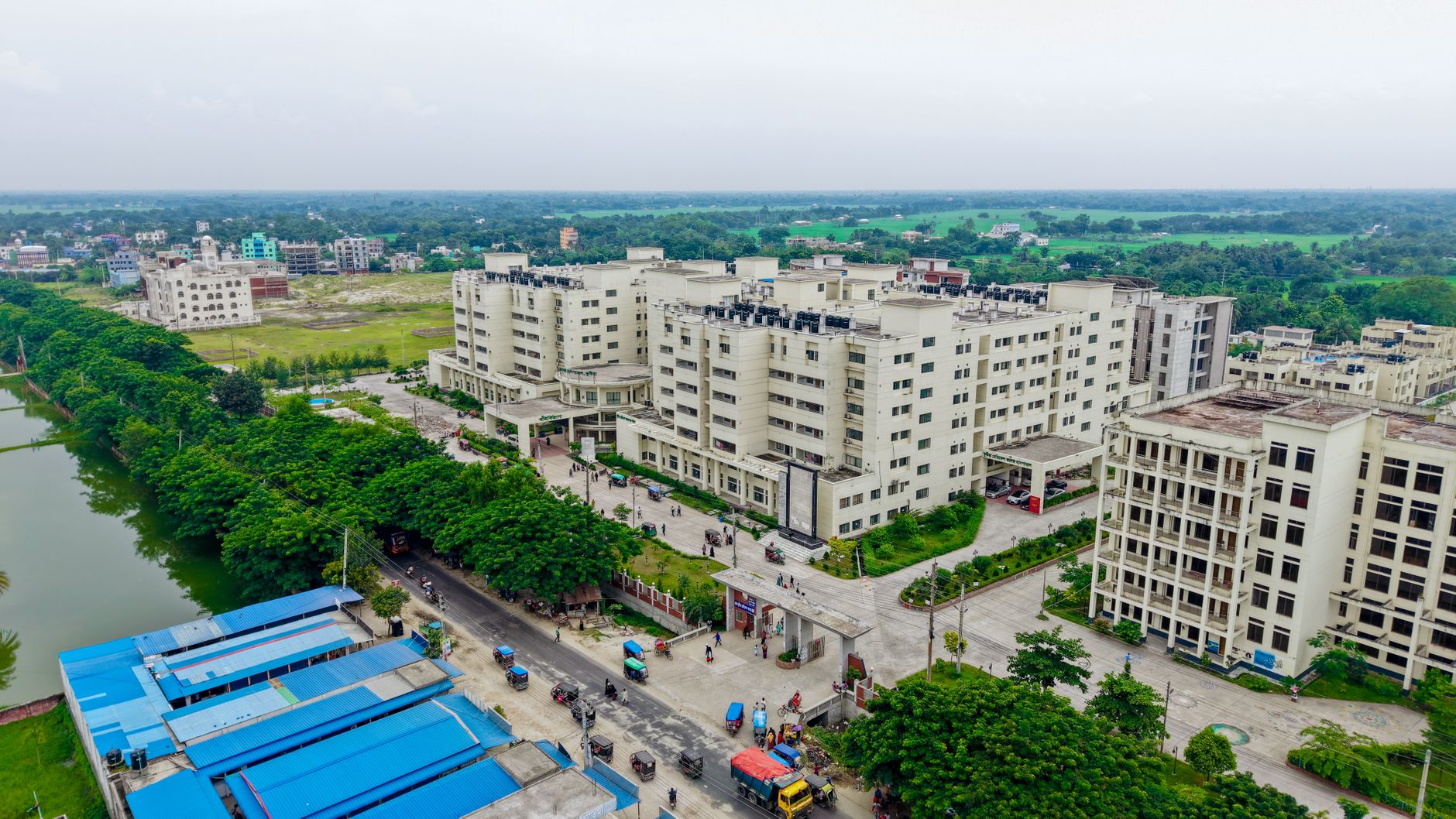
India has witnessed a remarkable transformation in medical education infrastructure over the past decade. The country's number of medical colleges has more than doubled since 2014, representing one of the most significant expansions in healthcare education capacity in the nation's history. This growth addresses a long-standing challenge of doctor shortage and brings medical education closer to millions of aspiring healthcare professionals.
The Scale of Expansion
The dramatic increase in medical colleges reflects a concerted effort by both central and state governments to strengthen India's healthcare system from its foundation. This expansion encompasses both government-run and private medical institutions, with particular emphasis on establishing colleges in tier-2 and tier-3 cities where medical education facilities were previously scarce or non-existent.
The expansion has directly translated into increased MBBS seats, allowing thousands more students to pursue medical education annually. This growth is particularly significant given India's population-to-doctor ratio, which has historically lagged behind World Health Organization recommendations of one doctor per 1,000 people.
Geographic Distribution and Regional Impact
One of the most notable aspects of this expansion has been the focus on geographic equity. Many new medical colleges have been established in districts and states that previously had limited or no medical education facilities. This strategic distribution serves multiple purposes beyond simply increasing seat capacity.
Rural and semi-urban areas have been prioritized in this expansion strategy. By establishing medical colleges in these regions, the government aims to create a pipeline of doctors who are more likely to serve in underserved areas, either during their training or after completing their education. Medical colleges in these locations also function as healthcare hubs, improving local access to quality medical services.
Infrastructure and Quality Considerations
While the quantitative expansion is impressive, it has raised important questions about maintaining educational quality and standards. The Medical Council of India, now replaced by the National Medical Commission, has implemented stringent guidelines for establishing new medical colleges, including requirements for:
- Adequate faculty-to-student ratios
- Well-equipped laboratories and libraries
- Associated teaching hospitals with sufficient bed capacity
- Modern medical equipment and technology
- Research facilities and academic resources
Each new medical college must meet these infrastructure and staffing requirements before receiving approval to admit students. Regular inspections and assessments ensure ongoing compliance with these standards.
Financial Models and Accessibility
The expansion includes various financial models to support different student populations. Government medical colleges continue to offer subsidized education, making medical studies accessible to students from economically disadvantaged backgrounds. Several state governments have also implemented reservation and scholarship programs to ensure equitable access.
Private medical colleges, while charging higher fees, have expanded capacity significantly and often incorporate modern infrastructure and technology more quickly. Some private institutions have also introduced merit-cum-means scholarships to support deserving students who cannot afford full fees.
Impact on Healthcare Delivery
The increased output of medical graduates is expected to have far-reaching effects on India's healthcare system. More doctors mean:
- Improved doctor-to-population ratios in underserved areas
- Reduced burden on existing healthcare professionals
- Enhanced capacity to respond to public health emergencies
- Greater availability of specialists through increased postgraduate training capacity
- Strengthened primary healthcare infrastructure
The expansion of medical colleges also creates opportunities for allied healthcare education, as many institutions establish nursing, paramedical, and pharmaceutical programs alongside their medical courses.
Challenges Ahead
Despite the impressive growth, challenges remain. Ensuring uniform quality across all institutions requires robust regulatory oversight and continuous evaluation. Faculty shortage remains a concern, as the rapid expansion has created intense competition for qualified medical teachers.
Additionally, the expansion of undergraduate medical education must be matched by corresponding growth in postgraduate training positions. Without adequate specialization opportunities, many medical graduates may face career progression limitations.
Future Outlook
The expansion of medical education represents a long-term investment in India's healthcare infrastructure. As these additional graduates enter the workforce over the coming years, their impact on healthcare accessibility and quality should become increasingly evident. Continued focus on maintaining educational standards while expanding capacity will be crucial for realizing the full benefits of this ambitious expansion.
The government's commitment to further increasing medical education capacity suggests this growth trajectory will continue, potentially positioning India as a major hub for medical education and healthcare services in the coming decades.