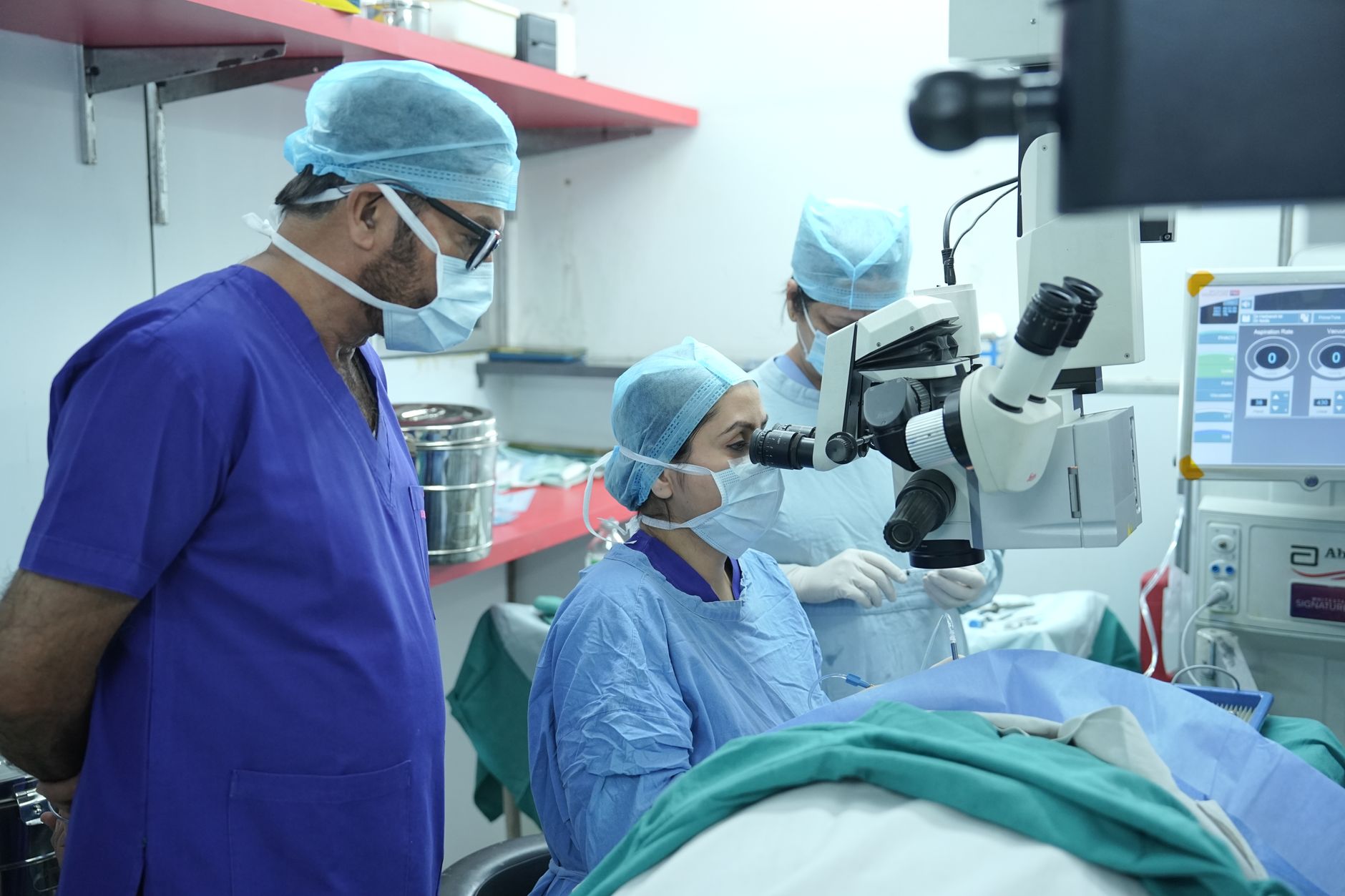
Manipal Health Enterprises, a prominent player in India's private healthcare landscape, is preparing for what could be one of the largest initial public offerings in the country's medical services sector. The proposed fundraising of up to $960 million underscores the growing investor appetite for healthcare assets in India and reflects the sector's evolution following increased health awareness post-pandemic.
About Manipal Health Enterprises
Manipal Health operates a network of hospitals across India under various brand names, with a presence in multiple cities spanning tier-1 and tier-2 markets. The healthcare group has built its reputation over decades, combining medical education institutions with clinical care facilities. The organization manages thousands of hospital beds and employs a large workforce of doctors, nurses, and healthcare professionals across its facilities.
The company's portfolio includes multi-specialty hospitals offering services ranging from routine medical care to advanced surgical procedures and specialized treatments. This diversified approach has helped Manipal Health establish itself as a comprehensive healthcare provider catering to different patient demographics and income segments.
Why Healthcare IPOs Are Gaining Momentum
India's healthcare sector has witnessed remarkable transformation in recent years, driven by several converging factors. Rising incomes have enabled more families to afford private healthcare services, while medical insurance penetration continues to expand, making hospital treatments more accessible to a broader population.
The COVID-19 pandemic fundamentally altered how Indians perceive healthcare investments, both personally and financially. Hospital chains that demonstrated operational resilience during the crisis have attracted particular interest from institutional investors seeking stable, long-term growth opportunities.
Government initiatives promoting health insurance coverage through schemes targeting lower-income populations have also expanded the addressable market for private hospitals. This policy support has created a more favorable environment for healthcare businesses to scale operations profitably.
Market Dynamics and Competitive Landscape
India's hospital sector remains relatively fragmented despite the presence of several established chains. Major competitors include Apollo Hospitals, Fortis Healthcare, Max Healthcare, and Narayana Health, each with distinct geographical footprints and service specializations.
The sector faces ongoing challenges including talent acquisition and retention of qualified medical professionals, regulatory compliance requirements, and the capital-intensive nature of expanding hospital infrastructure. However, these barriers to entry also protect established players with proven operational track records.
Healthcare services in India operate across multiple payment models, including out-of-pocket payments, private insurance, government-sponsored insurance schemes, and corporate healthcare packages. Successful hospital chains must navigate this complex reimbursement landscape while maintaining service quality standards.
What the IPO Means for the Sector
A successful public offering of this magnitude would validate the investment thesis for Indian healthcare infrastructure and potentially encourage similar moves by other private hospital operators. The capital raised through an IPO typically supports expansion plans, including opening new facilities, upgrading medical technology, recruiting specialist doctors, and potentially acquiring smaller healthcare providers.
For Manipal Health specifically, public market listing would provide liquidity to existing investors while enabling the company to access equity capital markets for future growth initiatives. Public companies also benefit from enhanced brand visibility and credibility, which can be advantageous when attracting top medical talent and negotiating partnerships with insurance providers.
Investment Considerations
Prospective investors evaluating healthcare sector opportunities should consider several factors. Hospital businesses require substantial capital expenditure for infrastructure and equipment, impacting short-term profitability. However, once established, quality hospitals can generate steady cash flows with relatively predictable revenue patterns.
Key metrics for assessing hospital companies include occupancy rates, average revenue per occupied bed, payor mix (proportion of different payment sources), and doctor retention rates. The geographical distribution of facilities and exposure to high-growth markets also influence long-term value creation potential.
Healthcare investments are often viewed as relatively defensive, as demand for medical services remains consistent across economic cycles. However, regulatory changes affecting reimbursement rates or hospital operations can significantly impact profitability.
The timing of this IPO reflects broader confidence in India's economic growth trajectory and the maturation of its capital markets, which have successfully absorbed several large offerings in recent years across various sectors.
This article is for general informational purposes only and should not be construed as investment advice. Prospective investors should conduct thorough due diligence, review the company's official IPO prospectus when available, and consult qualified financial advisors before making investment decisions.